

Da Nang has a way of stealing your heart. With its golden beaches, the majestic Marble Mountains, and that famous skyline lit up by the Dragon Bridge, it’s no wonder this coastal city has become one of Vietnam’s most beloved destinations. But here’s the thing about Da Nang—it’s a city of two very distinct personalities when it comes to weather.
I’ve spoken to countless travelers who arrived during the scorching summer months, expecting paradise, only to find themselves hiding in air-conditioned cafes by midday, too exhausted to explore. And I’ve heard from others who visited during the rainy season, watching storms roll in just as they planned their hike up the mountains.
Well, you’ve come to the right place. After spending considerable time in Da Nang and talking with local expats who’ve weathered every season, I’m going to walk you through exactly when to visit this beautiful city for the cool, comfortable weather you’re dreaming of.
Understanding Da Nang's Tropical Monsoon Climate
Before we dive into the specific months, let me give you a quick lay of the land when it comes to Da Nang’s weather patterns. Trust me, understanding this will make everything else click into place.
Da Nang sits smack in the middle of Vietnam, right along the coast, and it’s blessed with what’s called a tropical monsoon climate. Fancy term, simple meaning: the city has two main seasons—a dry season and a rainy season—but the temperatures don’t swing as wildly as they might in places with four distinct seasons.
The real game-changer here isn’t actually the temperature on the thermometer. It’s the humidity. See, Da Nang can show 30°C on the weather app, but depending on the month, that 30°C can feel like a pleasant summer day or a suffocating blanket of heat.
The northeast monsoon, which sweeps down from China and the Pacific, is the main character in this story. When it’s active, it brings cooler air and rain. When it retreats, the heat builds.
What’s fascinating about Da Nang—and what catches many travelers off guard—is that the weather patterns here are distinct from both Hanoi in the north and Ho Chi Minh City in the south. Da Nang often does things its own way, even while the rest of the country is baking or freezing.
The Dry Season (January - August): Heat vs. Comfort
Let’s start with the dry season, because this is when most people think about visiting. And they’re not wrong—the dry season offers plenty of sunshine and blue skies.
The dry season actually runs from January through August, but that’s like saying “winter in Texas” covers both freezing snaps and scorching heat waves. The dry season in Da Nang has two completely different personalities.
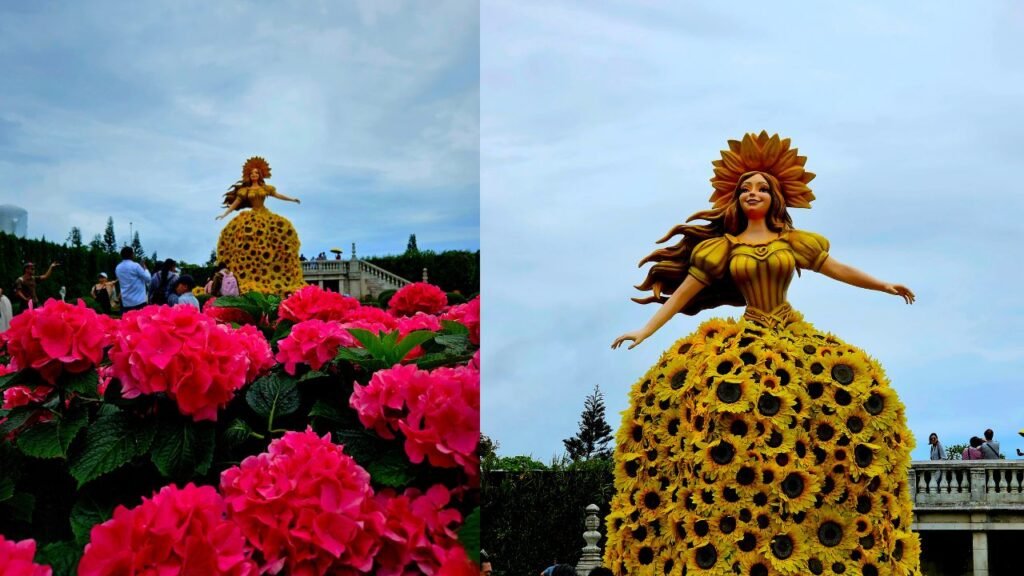
From late January through March, you get the good stuff—cool, dry air, comfortable temperatures, and that golden sunlight that makes photographers weep with joy. This is when Da Nang is at its most pleasant for anyone who wants to actually move around and see things.
But from April onward, things start heating up. By June, July, and August, we’re talking serious heat. We’re talking temperatures that regularly hit 35°C or higher, combined with humidity that makes you feel like you’re walking through soup. The beaches are glorious, don’t get me wrong, but if your idea of exploring involves hiking the Marble Mountains or spending hours wandering through the city, those summer months will test your endurance.
The early dry season, particularly January through March, is where the magic happens for cool-weather seekers.
The Rainy Season (September - December): Cooler Temps vs. Storms
Now, the rainy season runs from September through December, and this is where things get interesting for our cool-weather mission.
Yes, it rains. Sometimes it rains a lot. October and November are particularly notorious for heavy downpours and the occasional typhoon. I’ve sat in Da Nang cafes during October storms watching streets turn into rivers, and it’s not ideal for sightseeing.
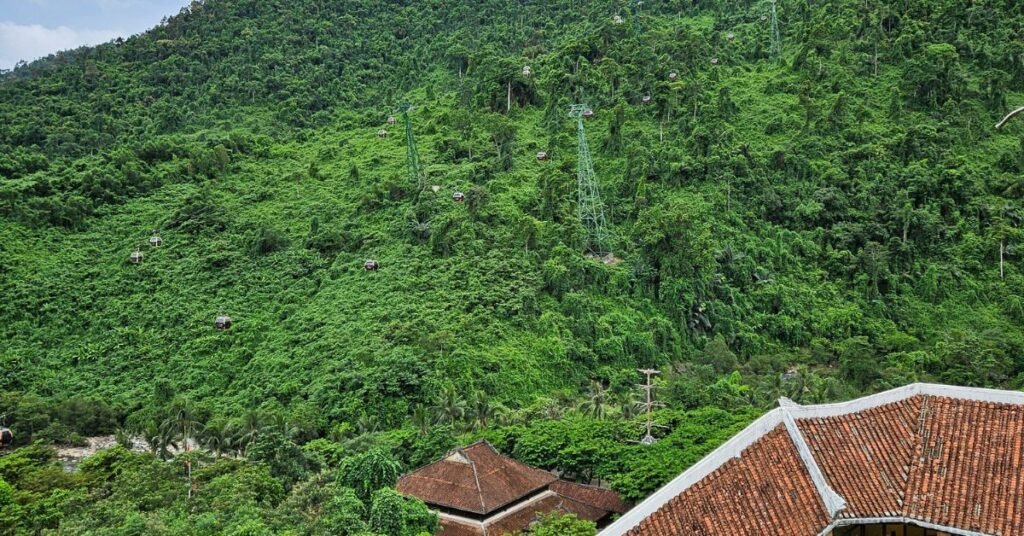
But here’s the secret that savvy travelers know: as the rainy season winds down, something beautiful happens. December arrives, bringing cooler, drier air. The rain starts to ease up, the skies begin to clear, and suddenly you have this window of absolutely gorgeous weather right before the main tourist crowds descend.
The rainy season gives Da Nang its cooler temperatures, but you have to time it right to catch the tail end when the rains have subsided, but the cool air remains.
The Best Months for Cool Weather in Da Nang
Alright, let’s get down to business. If you want cool weather—and by cool, I mean temperatures that let you explore comfortably without sweating through your shirt or needing to pack a heavy coat—you have a few options. Each has its own character, its own advantages, and its own little quirks.
January to March: The Peak of Cool Comfort
This is it. This is the sweet spot. If I had to pick the absolute best time to visit Da Nang for cool weather, January through March would win hands down.
Let me paint you a picture of what January in Da Nang feels like.
You step out of your hotel in the morning, and instead of that immediate wall of humidity that hits you in summer, you’re greeted by air that feels fresh and clean. The temperature hovers somewhere between 18°C and 24°C—cool enough that a light jacket feels good in the morning, warm enough that by midday you’re perfectly comfortable in a t-shirt.
The skies are clear. Not hazy, not smoky, just clear blue with maybe a few fluffy clouds for decoration. The sun has warmth, but it doesn’t beat down on you. It’s the kind of weather that makes you want to walk everywhere.
Here’s what this means for your actual vacation:
You can climb to the top of the Marble Mountains without feeling like you’re going to pass out. You can rent a motorbike and explore the Son Tra Peninsula, stopping at every viewpoint without rushing to get back to air conditioning. You can wander through the Museum of Cham Sculpture and actually enjoy reading the exhibits instead of just looking for the nearest fan.
The Han River at night during these months is pure magic. The air is cool enough that walking across the bridges feels romantic rather than exhausting. You can sit at a riverside cafe, sip Vietnamese coffee, and watch the dragon breathe fire without melting into your seat.
March deserves a special mention here. By March, temperatures start creeping up just a bit—averaging between 21°C and 28°C. You might find yourself shedding that morning jacket earlier in the day, but it’s still incredibly comfortable. March offers that perfect transition where you get the cool air of winter with just a hint of the warmth to come.
One practical thing to note: January through March includes Tet, the Vietnamese Lunar New Year. This usually falls in late January or early February, and it’s an incredible time to experience Vietnamese culture at its most vibrant. The city is beautifully decorated, there are flowers everywhere, and the energy is infectious. The downside? Some shops and restaurants close for a few days, and accommodation prices can spike. But if you plan ahead, experiencing Tet in Da Nang during the cool season is unforgettable.
December: The Transition to Cool
Now, December deserves its own spotlight, because it’s the gateway month. It’s when Da Nang starts to show its cool-weather face after the storms of autumn.
Early December can still be unpredictable. You might get some lingering rain from the tail end of the monsoon. But as the month progresses, something shifts. The rain becomes less frequent, the sun starts showing itself more, and the temperatures settle into that gorgeous 19°C to 24°C range that makes for perfect exploring weather.
I have a special fondness for December in Da Nang. The city gets into the holiday spirit—not in an in-your-face Western way, but with tasteful decorations, Christmas markets popping up, and a general sense of celebration. The cafes along Bach Dang Street string up lights, and a festive energy fills the air, pairing perfectly with the cool temperatures.
What makes December unique is that you get this cool weather without the peak-season crowds that arrive in January. Sure, there are tourists, but it’s nothing like the chaos of summer or the Tet holiday. You’ll find better deals on accommodation, more space on the sidewalks, and a more relaxed vibe overall.

The beaches in December are interesting. They’re not swimming beaches during this month—the water is too cool for most people, and the waves can be rough—but they’re absolutely beautiful for walking. Walking along My Khe Beach in the cool December air, with the mist hanging over the distant mountains, is a completely different experience from the summer beach scene. It’s peaceful, contemplative, and honestly, just as special.
For photographers, December offers something magical: the combination of cool, clear air and the low angle of the winter sun creates incredible light for photos. The golden hour seems to last forever, and everything looks slightly more dramatic.
Month-by-Month Breakdown for Cool Weather Seekers
Sometimes you need the nitty-gritty details to make your decision. Here’s exactly what you can expect month by month if you’re chasing that perfect cool weather in Da Nang.
Weather in Da Nang in January
January is the coolest month of the year in Da Nang, and it’s absolutely glorious.
You’re looking at temperatures ranging from about 19°C at night to 24°C during the day. The keyword here is “pleasant.” There’s no oppressive heat, no suffocating humidity—just comfortable, easy weather that makes you want to be outside.
Rainfall in January is minimal. You might get the occasional light drizzle, but prolonged downpours are rare. The skies are generally clear or partly cloudy, and when the sun is out, it feels warm without being harsh.
This is prime time for outdoor activities. The Marble Mountains are particularly wonderful in January—the stone steps aren’t slippery, the caves aren’t sweltering, and the views from the top are crystal clear. You can easily spend half a day exploring without feeling exhausted.
One thing to note: January nights are genuinely cool. If you’re eating dinner outside along the river, you’ll want a light jacket or sweater. It’s not cold enough to be uncomfortable, but after spending all day in pleasant warmth, the evening chill can catch you off guard.
Weather in Da Nang in February
February is January’s slightly warmer cousin, but don’t worry—it’s still firmly in the cool-weather camp.
Temperatures average between 20°C and 26°C. The mornings and evenings remain cool, while the afternoons can feel genuinely warm without crossing into hot territory. Humidity is creeping up a bit, but it’s still low enough to be completely comfortable.
The real star of February is the cultural atmosphere. If Tet falls in February, the city transforms. Flower markets spring up everywhere, streets are decorated with colorful lights and banners, and there’s a palpable sense of joy and renewal in the air. The weather is perfect for joining the festivities—you can wander through the flower displays at night without getting cold, and you won’t overheat during daytime celebrations.
February remains mostly dry. The chance of rain is low, and when it does rain, it’s usually brief and light. This makes it ideal for exploring both the city and the surrounding areas.
For photographers and Instagram enthusiasts, February offers particularly beautiful light—slightly softer than January, with a warmth that makes colors pop without washing them out.
Weather in Da Nang in March
March is where things start warming up, but it’s still wonderfully comfortable for anyone who doesn’t love extreme heat.
Daytime temperatures range from 21°C to 28°C. Notice that 28°C number—that’s warm, but it’s not the scorching 35°C you’ll get in summer. And crucially, the humidity in March is still manageable. You’ll work up a sweat if you’re hiking, but you won’t feel like you need a shower five minutes after stepping outside.
March is statistically one of the driest months of the year in Da Nang. Rain is rare, and you can pretty much count on sunny or partly sunny days throughout your visit. This makes it excellent for day trips—whether you’re heading to Hoi An for the day (a must-do), visiting the Cham Islands, or taking the cable car up to Ba Na Hills.
Speaking of Ba Na Hills, March is a great time to visit this famous attraction. The weather at the top can be significantly cooler than in the city—sometimes by 5-8°C—so you’ll want to bring a jacket. But the views are spectacular, and you won’t have to fight through the fog that can obscure everything during the rainy season.
The beaches in March are starting to get more inviting for swimming. The water is still cool, but some brave souls are already taking dips. If you’re not a cold-water person, you might wait another month, but for walking and relaxing on the sand, March is perfect.
Weather in Da Nang in December
December is the wildcard month, but when it’s good, it’s very, very good.
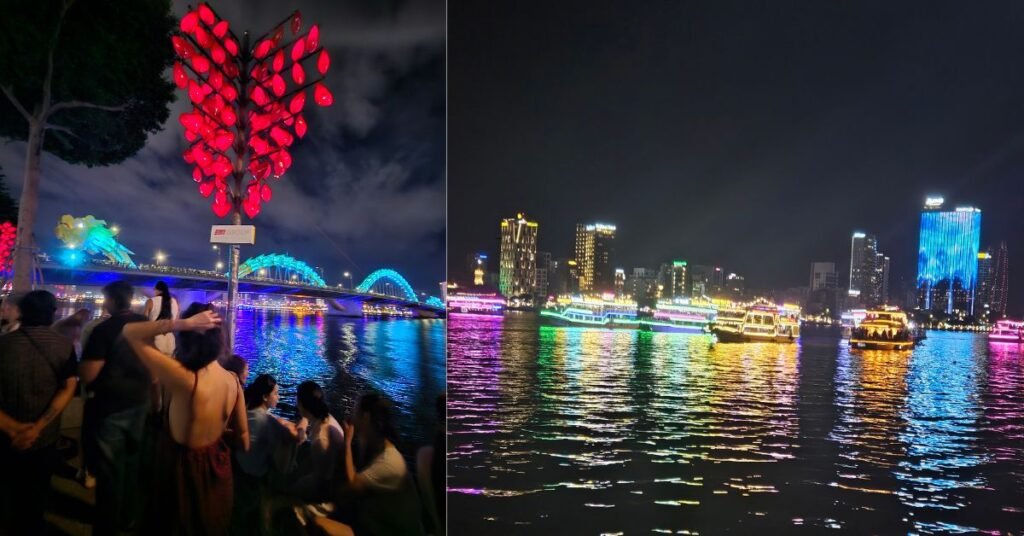
Temperatures in December range from 19°C to 24°C—nearly identical to January. The difference is in the rainfall. Early December can still see significant rain, leftovers from the November monsoon. But as the month progresses, the rain diminishes and the skies clear.
Here’s my advice for December visits: plan for some flexibility. Book accommodations with nice common areas where you can relax if you get an unexpected rainy day. Have indoor backup plans—the Museum of Cham Sculpture, a cooking class, a coffee shop crawl. Then, when the sun comes out, hit the outdoor attractions hard.
The quality of light in December is stunning. The sun stays low in the sky throughout the day, creating long shadows and warm tones that make everything look more dramatic. Sunset over the Han River in December is something special—the colors seem more vivid, the air clearer, and the whole city seems to slow down to appreciate it.
Christmas in Da Nang has become a bigger deal in recent years. The western-style cafes go all out with decorations, the hotels put up trees, and there’s a festive atmosphere that pairs beautifully with the cool weather. It’s not a traditional Vietnamese holiday, but the city embraces it with enthusiasm.
For budget-conscious travelers, December offers significant advantages. You’re visiting during the shoulder season—after the rains but before the peak Tet crowds. Flights and accommodations are generally more affordable than in January and February, and you’ll find fewer tourists at the major attractions.
What to Pack for a Cool-Weather Trip to Da Nang
Packing for Da Nang’s cool season requires a bit more thought than just throwing shorts and t-shirts in a suitcase. The key is layers—you’ll want to be prepared for morning coolness, midday warmth, and evening chill.
Let’s start with the basics. For daytime exploring, light long-sleeved shirts are your best friend. They protect you from the sun without making you too warm, and they’re perfect for the 22-25°C temperatures you’ll encounter midday. Pair these with comfortable pants or jeans—nothing too heavy, but enough to keep you comfortable.
For mornings and evenings, you absolutely need a light jacket or sweater. I’ve seen too many travelers shivering at riverside restaurants because they only packed for warm weather. A denim jacket, a light hoodie, or even a stylish cardigan will make all the difference when the temperature drops to 18-19°C after sunset.
Footwear deserves special attention. Da Nang’s cool season is perfect for walking, so bring shoes that can handle miles of exploration. Comfortable walking shoes or sneakers are essential for the Marble Mountains, where you’ll be climbing stone steps for hours. If you’re planning to visit any temples, remember that you’ll need to remove your shoes, so slip-on options can be convenient.
Here’s something many guides won’t tell you: even in the cool, dry season, it’s smart to pack a light umbrella or a packable raincoat. January and February can occasionally surprise you with light drizzle, and while it won’t ruin your trip, having a small umbrella means you won’t have to duck into a cafe every time a few drops fall.
Don’t forget sun protection. Even when the air is cool, the tropical sun is strong. Sunscreen, sunglasses, and a hat will keep you comfortable during those sunny March afternoons.
For any Ba Na Hills adventures, pack an extra layer. The temperature at the top can be significantly cooler than in the city, and the combination of altitude and wind can make it feel even colder. A warm fleece or heavy sweater isn’t overkill if you’re heading up the mountain.
Best Cool-Weather Activities in Da Nang
The beauty of visiting Da Nang during the cool months is that you can finally do all the things that sound miserable in the heat. Here’s how to make the most of that perfect weather.
Hiking and Sightseeing
The Marble Mountains are transformed in cool weather. This cluster of five marble and limestone hills is always impressive, but climbing them in 30°C heat with 80% humidity is an exercise in suffering. In January or February, it’s pure joy. The stone steps are manageable, the caves (which can feel like saunas in summer) are actually cool and refreshing, and the views from the summit stretch for miles through crystal-clear air.
Plan to spend at least half a day here. Visit the main Thuy Son mountain, explore caves with hidden Buddhist sanctuaries, and don’t miss the viewpoints overlooking the beach and distant mountains. The cool air means you can take your time, pausing to appreciate the details without rushing to escape the heat.
Son Tra Peninsula, often called Monkey Mountain, is another winner during cool weather. The 20-kilometer road winds through jungle-covered hills with spectacular views of the ocean and the city. In summer, this motorbike ride can be brutal—the heat radiates off the pavement, and you arrive at viewpoints dripping with sweat. In cool weather, it’s one of the most pleasant rides in Vietnam.
Stop at the Linh Ung Pagoda to see the enormous Lady Buddha statue, which stands 67 meters tall and watches over the city. The grounds are extensive and beautiful, and the cool weather makes wandering through them a genuine pleasure rather than a race to get back to air conditioning.
Cultural Exploration
Da Nang has a rich cultural scene that’s often overlooked by visitors rushing to the beach. The cool season is the perfect time to dive into it.
The Museum of Cham Sculpture houses the world’s largest collection of Cham art, with sculptures and artifacts dating from the 7th to the 15th centuries. In hot weather, museums can feel like necessary escapes from the heat. In cool weather, they become what they should be—places of genuine exploration and learning. You can spend hours here, moving slowly through the galleries, really looking at the intricate carvings without feeling trapped indoors.
Walking tours of the city center are vastly more enjoyable when you’re not fighting heat exhaustion. Start at the Han Market, where you can practice your bargaining skills and sample local snacks. Then wander along the Han River, cross the Dragon Bridge, and explore the area around the cathedral. In cool weather, you can cover serious ground without exhaustion setting in.
The night market on the eastern side of the Dragon Bridge comes alive after dark, and the cool evening air makes it perfect for wandering. Sample street food, shop for souvenirs, and stick around for the weekend when the Dragon Bridge breathes fire and water at 9 PM. The spectacle is impressive any time, but it’s much more enjoyable when you’re not sweating through your clothes.
Ba Na Hills Visit
No trip to Da Nang is complete without visiting Ba Na Hills, home to the famous Golden Bridge with its giant stone hands. But here’s the thing about Ba Na Hills—it sits at nearly 1,500 meters above sea level, which means the weather is completely different from the city below.
During the cool season, Ba Na Hills can be genuinely cold. We’re talking 10-15°C sometimes, especially in January and early February. The famous bridge is often shrouded in mist during these months, creating an ethereal, almost mystical atmosphere that photographers love.
Pack warmly for this trip. A heavy sweater or light jacket is essential, and if you’re visiting in January, you might even want gloves and a hat. Yes, really. I’ve seen tourists shivering at the top because they assumed the city’s pleasant weather would extend to the mountain.
The cable car ride itself is spectacular—one of the longest non-stop cable car systems in the world. On clear days, you get incredible views of the forest below. On misty days, you rise through the clouds into a different world entirely. Either experience is memorable.
At the top, you’ll find French-style villages, gardens, restaurants, and of course, the Golden Bridge. The cool weather lets you explore it all without overheating, and the crisp mountain air adds to the European-village atmosphere they’ve created.
Final Thoughts
Da Nang is a city that rewards those who time their visit right. While it’s beautiful year-round in its own way, there’s something special about experiencing it during the cool season—that perfect window when the weather doesn’t just allow you to explore, but actually invites you to.
From the crisp, clear days of January to the warming sunshine of March, and from the transitional beauty of December to the festive atmosphere of February’s Tet celebrations, each cool-weather month offers its own version of perfection. You’ll climb mountains without exhaustion, wander markets without sweating, and sit by the river at night without needing to rush back to air conditioning.
For travelers whose priority is comfort—who want to actually see and do things rather than just survive the heat—the period from December through March is unquestionably the best time to visit Da Nang. The city opens itself to you in ways it simply doesn’t during the scorching summer or the drenching rainy season.
So pack those layers, bring comfortable walking shoes, and prepare to fall in love with Da Nang at its most pleasant. The golden beaches, the marble mountains, the river at sunset—they’re all waiting for you, and now you know exactly when to find them at their best.
Frequently Asked Questions
Is Da Nang cold in December?
It depends on your definition of cold. December temperatures in Da Nang range from about 19°C to 24°C. For someone from a tropical climate, this might feel chilly, especially in the evenings. For someone from northern Europe or Canada, it’s pleasantly cool—perfect weather for exploring without overheating. You’ll want a light jacket in the evenings, but you won’t need a heavy winter coat.
Is February a good time to visit Da Nang?
Absolutely. February offers some of the best weather of the year—temperatures between 20°C and 26°C, low humidity, minimal rainfall, and plenty of sunshine. The only potential complication is Tet, the Lunar New Year, which can affect business hours and prices. But if you plan ahead, February is fantastic.
What is the coolest month in Da Nang?
December and January are tied for the coolest months, with average temperatures around 19-24°C. January tends to be drier and more consistently pleasant, while December can have some lingering rain from the monsoon season. For pure cool-weather comfort with the least rain, January is your best bet.
Can you swim in Da Nang in January?
You can, but you might not want to. The ocean temperature in January is quite cool—around 22-23°C—and the waves can be rougher than in summer. Some locals and hardy tourists do swim, but if you’re looking for that warm, calm beach experience, you’ll be disappointed. January is for beach walks, not beach swimming.
Does it rain a lot in Da Nang in February?
No. February is one of the driest months of the year in Da Nang. You might get a brief shower, but prolonged rain is uncommon. The chances of rain disrupting your plans are very low.
What should I wear in Da Nang in March?
March is warm but not hot. Pack light layers—T-shirts, long-sleeve shirts, and comfortable pants. Bring a light jacket or sweater for evenings. Shorts are fine during the day if you’re comfortable in them, but you might want pants in the evening when it cools down.
Share